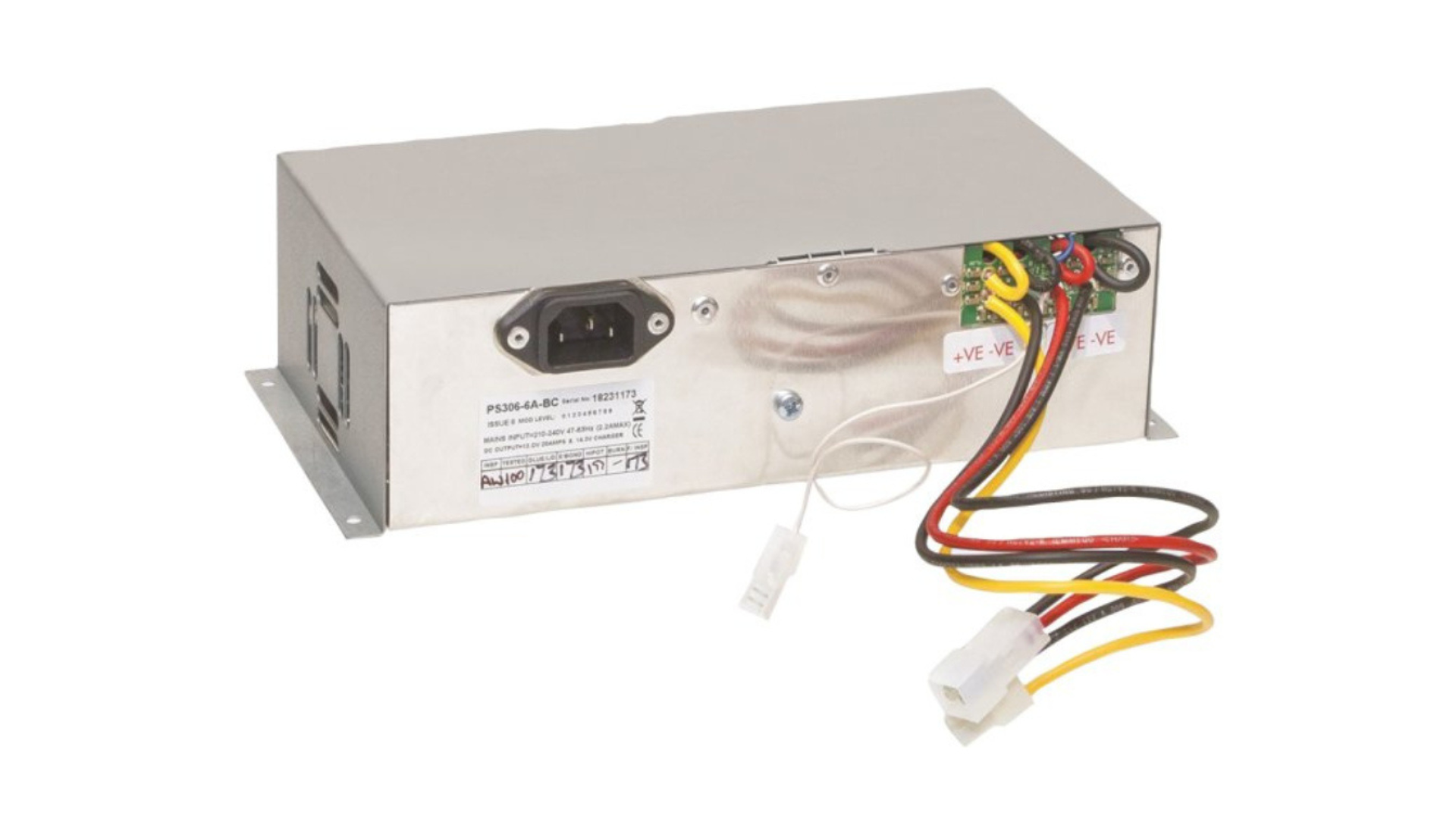
Powerpart P0123 Three-Stage Charger Repairs
Specialist component-level repair service for Powerpart P0123 three-stage caravan battery chargers and power supply units.
Powerpart P0123 Charger Repair Specialists
The Powerpart P0123 is a three-stage battery charging unit used in caravans and leisure vehicles. As these chargers age, electronic component failures can cause problems including no charging output, incorrect battery voltage, intermittent operation or failure to operate correctly through the charging stages.
At Britfix Repairs, we specialise in component-level repair of caravan battery chargers and power supply units. Wherever practical, we diagnose and repair the original electronic circuitry rather than replacing the complete charger.
Repairs may include power supply circuitry, rectifiers, semiconductors, capacitors, resistors, damaged PCB tracks, solder joints, connectors and charging control circuitry.
Common Powerpart P0123 Faults
- Charger completely dead
- Leisure battery not charging
- No charging output
- Low charging voltage
- Charging voltage too high
- Unstable or fluctuating charging voltage
- Charger not progressing correctly through charging stages
- Charger remaining in one charging stage
- Blown fuse or short circuit
- Overheating or burning smell
- Intermittent charging operation
- Battery voltage dropping under load
Three-Stage Charging Faults
A three-stage charger is designed to control the charging process according to the condition of the battery. If the charger develops an electronic fault, it may fail to change charging stages correctly or may produce an incorrect output voltage.
Symptoms can include a battery that takes too long to charge, a charger that appears to remain at the same voltage, intermittent charging or a battery that never reaches a satisfactory state of charge.
We test the charger and its associated control and power circuitry to determine whether the fault is within the charger before replacing components.
No Charging Output
A Powerpart P0123 that has no charging output may have a fault within the mains input section, power supply, rectifier, transformer, output circuitry or charging control electronics.
The unit is inspected and relevant circuit sections are tested to locate the cause of the failure rather than replacing parts unnecessarily.
Low or Incorrect Charging Voltage
Incorrect charging voltage can prevent the leisure battery from charging properly and may indicate a fault in the charger rather than the battery itself.
Possible causes can include deteriorated capacitors, faulty semiconductors, rectifier problems, poor solder joints, damaged connections or faults within the voltage sensing and control circuitry.
Intermittent Charging
Some P0123 chargers may operate normally when first switched on and then stop charging, become unstable or work intermittently. Heat-related component faults, deteriorated solder joints, connectors and ageing electronic components can all contribute to intermittent operation.
Where possible, the charger is tested under operating conditions to help identify faults that may not be obvious during a simple visual inspection.
Power Supply and Component-Level Repairs
We repair Powerpart P0123 chargers at component level where practical. This can allow the original caravan charging unit to remain in service when replacement of the complete charger is unnecessary.
Depending on the fault and condition of the unit, repair work may include:
- Power semiconductor replacement
- Rectifier and diode replacement
- Capacitor replacement
- Resistor and protection component replacement
- Charging control circuit diagnosis
- Voltage sensing circuit repairs
- Repair of damaged PCB tracks and solder pads
- Repair of dry or cracked solder joints
- Connector and wiring inspection
- Charging voltage testing after repair
Blown Fuse or Short Circuit Faults
A repeatedly blowing fuse can indicate an internal electronic fault. Possible causes include failed rectifiers, shorted power semiconductors, damaged components or faults elsewhere in the power supply circuitry.
If the charger repeatedly blows a fuse, it should be inspected before further power is applied. Replacing the fuse repeatedly without locating the underlying fault can result in additional damage.
Overheating and Burnt Components
Caravan battery chargers can operate for extended periods and heat-related deterioration may occur over time. Burnt components, discoloured circuit boards, damaged connectors or a noticeable burning smell can indicate an internal fault.
Where repair is practical, damaged components and affected circuit board areas are repaired before the charger is electrically tested.
Why Repair a Powerpart P0123?
Repairing the original Powerpart P0123 can be a practical option where a direct replacement is difficult to obtain or where fitting a different charger would require alterations to the caravan electrical installation.
Component-level repair can preserve the original installation while avoiding unnecessary replacement of the complete charging unit.
Inspection Before Repair
Every Powerpart P0123 charger is inspected before repair work begins. Repairability depends on the condition of the circuit board, extent of component damage, availability of suitable replacement components and any previous repair attempts.
Please avoid repeatedly powering a charger that is blowing fuses, overheating, producing an abnormal smell or showing signs of serious electrical failure.
UK Postal Repair Service
Customers throughout the UK can send their Powerpart P0123 three-stage charger to Britfix Repairs for inspection and repair.
Please contact us before posting your charger. Include the model number, a description of the fault, the symptoms you have observed and details of any previous repair work.
We will then provide packing and delivery instructions.